 knacksnews
Fix Low-Quality Videos Fast: 3 Best AI Upscalers (2025)
Video upscaling has quietly evolved into one of the most useful AI tools in content creation. What once required pro-level studios can now be done on a regular laptop using smart software that sharpens and restores low-quality footage. From old family videos to pixelated clips you want to clean up for YouTube, AI video upscalers are changing the game.
But let’s cut through the hype—most reviews recycle specs and miss the real story. This guide focuses on what actually matters in 2025: how these tools perform, where they shine, and why these 3 stand above the rest. There is no fluff—just real results.
Topaz Video AI
Topaz Video AI continues to lead the pack in 2025, and for good reason. It's a desktop-based application that packs serious processing power, ideal for those who want control and quality without being chained to a studio. What sets Topaz apart is its blend of machine learning models that have been trained on a ridiculous variety of footage—low-light videos, jittery smartphone captures, even vintage VHS clips. This diversity in training gives the software the edge in interpreting grainy or damaged visuals.
You don't just get a higher-resolution file. The AI actually rebuilds frames in a way that fills in missing data, reduces motion blur, and adds sharpness without going overboard. It doesn’t just enlarge pixels—it enhances the core of the video itself. You can scale 480p clips up to 1080p or 4K and still get a surprisingly natural look. The smart frame interpolation features are especially handy for smoothing out choppy footage or increasing frame rates for a more modern feel.
But all this power has a price. Topaz Video AI is resource-hungry. If your machine doesn’t have a decent GPU, expect long processing times. And while it gives you customization, there’s a learning curve to getting the best settings. Still, for creators who want near-studio-level results without outsourcing, this is as good as it gets in 2025. It’s not magic, but it’s close.
AVCLabs Video Enhancer AI
AVCLabs Video Enhancer AI stands out in 2025 as a strong, user-friendly option for video enhancement. It’s less intimidating than some of its high-powered competitors and leans into a simple workflow. With a “plug and go” approach, users can quickly upload videos, choose what they want to improve—resolution, blur reduction, or frame smoothness—and let the AI take over. For creators who want reliable results without diving into complex settings, this tool delivers.
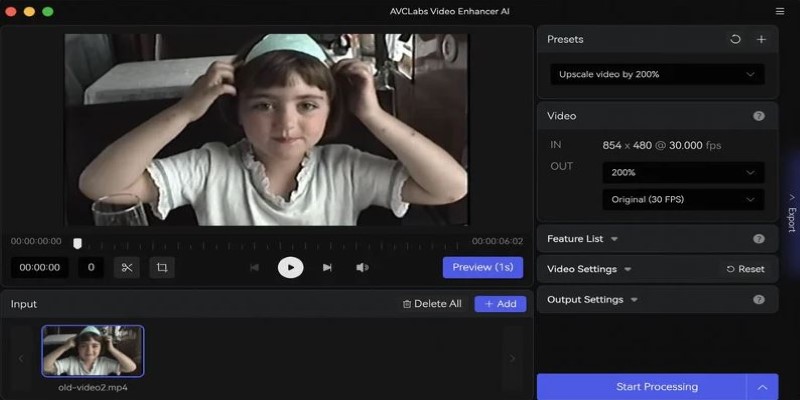
One of AVCLabs' standout features is its ability to restore facial details. Whether you’re working with old interviews, family footage, or talking-head videos, it preserves natural texture without making people look artificial. The facial enhancement model sharpens key areas like the eyes and jawline, giving clarity where it matters most. Unlike many tools that push too hard on correction, AVCLabs keeps things grounded and realistic.
Batch processing is another highlight. For creators managing a large archive—maybe multiple episodes of a web series or a full course library—the ability to process several files at once is a huge time-saver. The software’s interface is minimal and straightforward, making it approachable for beginners while still offering consistent results. It does require a capable GPU, though, and more advanced users may find the presets a little limiting.
In a space crowded with AI video upscaling tools, AVCLabs hits a sweet spot. It balances automation and output quality, making it a dependable choice for creators who value simplicity, accuracy, and time efficiency without losing the human touch in their content.
HitPaw Video Enhancer
HitPaw Video Enhancer rounds out this list as the surprise sleeper hit of 2025. Initially pegged as a basic tool, HitPaw has evolved with updates that turned it into a serious AI-powered platform for casual and mid-level video editors. If you’re working on social media content, marketing reels, or even personal video restoration projects, HitPaw is straightforward, fast, and gets the job done.
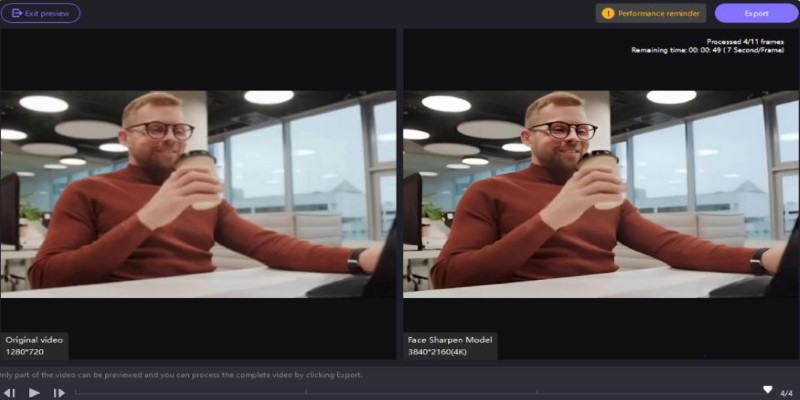
Its AI engine focuses less on complex user input and more on efficient automation. There are dedicated enhancement models based on the content type—such as anime, general footage, and portrait videos. This makes it especially useful for creators working across different video genres. The tool is fast, doesn’t hog resources as aggressively as its competitors, and offers cloud-based processing for those who’d rather offload the heavy lifting.
One of HitPaw’s quiet advantages is its edge noise reduction. Many upscalers sharpen edges too aggressively, creating halos or digital artifacts. HitPaw dials that in nicely, improving definition without destroying the tone of the original footage. While it’s not as high-end as Topaz or as facially focused as AVCLabs, it strikes a middle ground that’s perfect for those who want better-looking videos without wading through complex software.
The 2025 update introduced a smart color calibration tool that revives faded visuals, especially in older footage. It restores vibrancy without pushing brightness too far or distorting skin tones. This subtle but effective enhancement makes a big difference for casual editors and content creators. With a clean interface, dependable output, and a reasonable price tag, it stands out as one of the most accessible AI video upscalers available this year.
Conclusion
In 2025, AI video upscalers have become essential for anyone working with video content. Whether you’re restoring old clips, enhancing videos for professional use, or simply trying to get the best possible quality from average footage, the right tool makes all the difference. Topaz Video AI brings power and depth, AVCLabs blends simplicity with detail restoration, and HitPaw offers fast, reliable results for everyday use. These aren’t just tools—they’re creative allies that help you turn rough footage into something clear, polished, and usable. With accessibility better than ever, upgrading your video quality is no longer a luxury—it’s a smart, achievable step forward.
Related Articles
Choosing the Right Platform: Zoom vs. Teams for Effective Remote Collaboration
Base64 Encoding and Decoding Made Easy with Free Online Tools
How to Automate Time Tracking: Guide + Tools

Secure Your Browsing: Best Online Privacy Tools to Use in 2025

How to Automate Recurring Tasks in Notion: A Step-by-Step Guide
Beeper vs. Texts: Which All-In-One Messaging App Is Right for You
Cropping Videos in QuickTime: Step-by-Step Guide and Alternatives

Best Free Tools to Turn SVG into PNG for Your Cricut or Silhouette
Bringing Old Footage Back to Life: A Video Remastering Guide

Top Free Tools That Help Automate Repetitive Workflows with Ease

Top AI Background Removal Tools You Can Use Without Photoshop